
At North Houston Diabetes Institute in Humble, TX, we regularly evaluate patients who experience symptoms that stem from hormone imbalance. Thyroid disease affects how the body regulates metabolism, energy, temperature, and many other essential functions. Understanding the difference between hypothyroidism and hyperthyroidism helps patients recognize symptoms earlier and set realistic expectations for diagnosis and treatment.
How the Thyroid Regulates the Body
The thyroid gland produces hormones that influence how quickly the body uses energy. These hormones affect heart rate, digestion, weight regulation, body temperature, and mental clarity. When thyroid hormone levels fall too low or rise too high, multiple systems within the body are affected. Thyroid disease does not affect everyone the same way, but the direction of hormone imbalance largely determines symptom patterns.
What Happens With Hypothyroidism
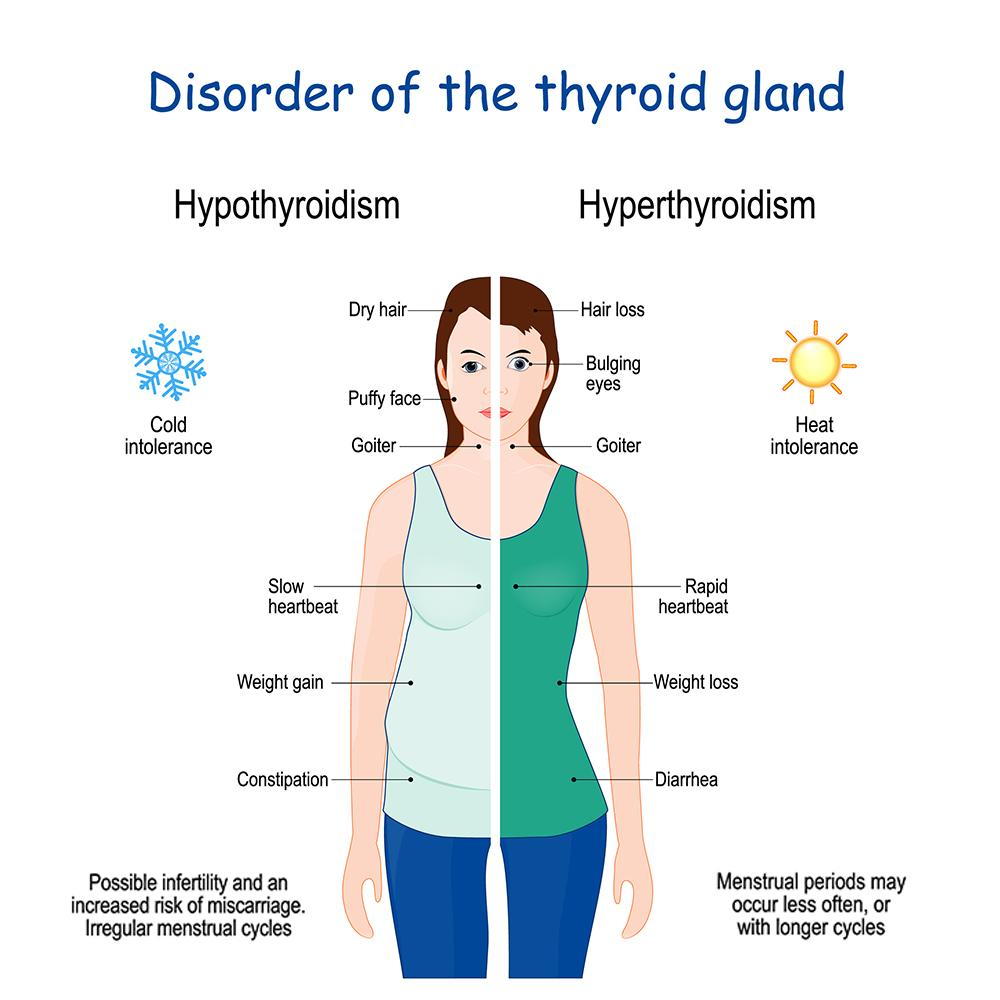
Hypothyroidism occurs when the thyroid produces fewer hormones than the body needs. This slowdown affects nearly every system. Patients often report fatigue, weight gain, cold sensitivity, constipation, dry skin, hair thinning, and slowed thinking. Heart rate may decrease, and muscles may feel weak or stiff. Hypothyroidism commonly develops gradually, which can delay diagnosis as symptoms build over time. Autoimmune conditions such as Hashimoto’s thyroiditis frequently cause this form of thyroid disease.
What Happens With Hyperthyroidism
Hyperthyroidism develops when the thyroid releases too much hormone. This excess of hormonal activity speeds up bodily processes. Patients often experience weight loss despite normal or increased appetite, heat intolerance, rapid heartbeat, tremors, anxiety, and frequent bowel movements. Sleep disturbance and muscle weakness also occur. Graves’ disease remains a common cause, though nodules and thyroid inflammation can also trigger hormone excess.
How We Diagnose Thyroid Disease
Accurate diagnosis begins with a detailed review of symptoms and medical history. We use blood testing to measure thyroid hormone levels and thyroid-stimulating hormone, which helps determine whether the thyroid functions above or below normal. When needed, we use imaging studies or antibody testing to identify underlying causes. Differentiating hypothyroidism from hyperthyroidism ensures that treatment targets the correct imbalance.
Treatment Approaches for Each Condition
Treatment depends on the type and severity of thyroid disease. For hypothyroidism, we typically use thyroid hormone replacement to restore normal levels gradually. This approach supports metabolic stability and symptom improvement over time.
For hyperthyroidism, treatment may involve medications that reduce hormone production, radioiodine therapy, or other targeted interventions depending on cause and patient factors. We monitor response carefully and adjust treatment as the body adapts.
Why Ongoing Monitoring Matters
Thyroid disease requires long-term management rather than one-time treatment. Hormone needs can change due to age, weight shifts, pregnancy, or other medical conditions. Regular follow-up allows us to maintain balance and reduce complications.
Schedule an Evaluation in Humble, TX
If you experience symptoms that suggest thyroid disease, professional evaluation matters. At North Houston Diabetes Institute in Humble, TX, we provide comprehensive diagnosis and personalized treatment for both hypothyroidism and hyperthyroidism. To schedule an appointment and discuss your symptoms, call (832) 644-9595 today.